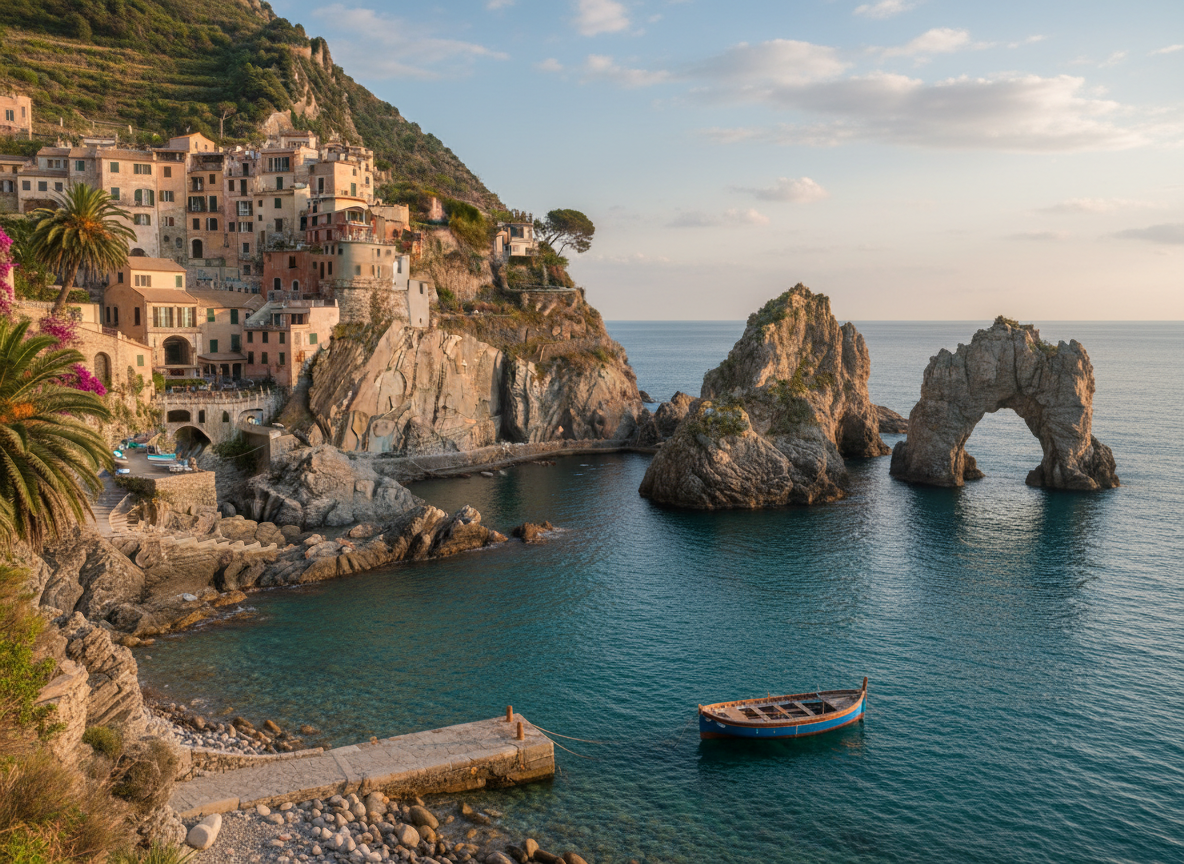
Every time I revisit Italy either through memories, stories from other travelers, or the notes I keep from planning future trips, I’m reminded of why this country continuously ranks among the world’s most beloved destinations. Italy is one of those rare places where history, food, architecture, culture, and simple daily life blend together so naturally that even an ordinary walk through a narrow street feels meaningful. This guide brings together ten of the best places to visit across the country, based on what truly makes Italy unforgettable for travelers from every continent.
While this list highlights famous destinations, it also reflects a personal way of looking at Italy: noticing small details, appreciating local experiences, and understanding each place beyond tourist labels. If you’re planning your first trip or returning for the fifth time, these destinations offer a mix of heritage, beauty, and experiences that capture the spirit of Italy.
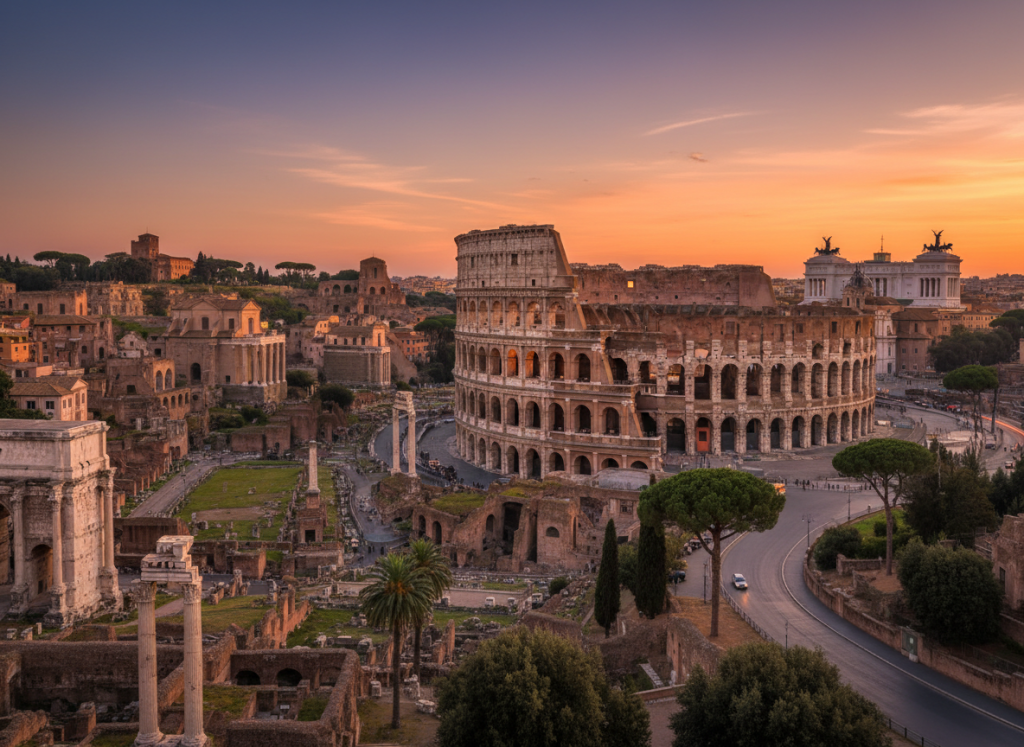
1. Rome – The Eternal City
Rome has the kind of energy that never settles. You walk among ruins that have stood for thousands of years, yet all around you life unfolds with a modern rhythm. It’s impossible not to feel the weight of history when you approach the Colosseum or stand in the vast courtyard of the Vatican. What I love most about Rome is that every corner seems to hold a story—an old fountain, a faded fresco on a wall, a hidden café tucked deep inside a narrow alley.
Stunning landmarks aside, Rome shines most through its small pleasures: a perfectly pulled espresso, the sound of church bells in the afternoon, and long evening strolls with gelato in hand. If you want Italy’s history and passion in one place, Rome never disappoints.
Travel Tip: Buy tickets for major attractions like the Colosseum or Vatican Museums online and well in advance to avoid long queues.
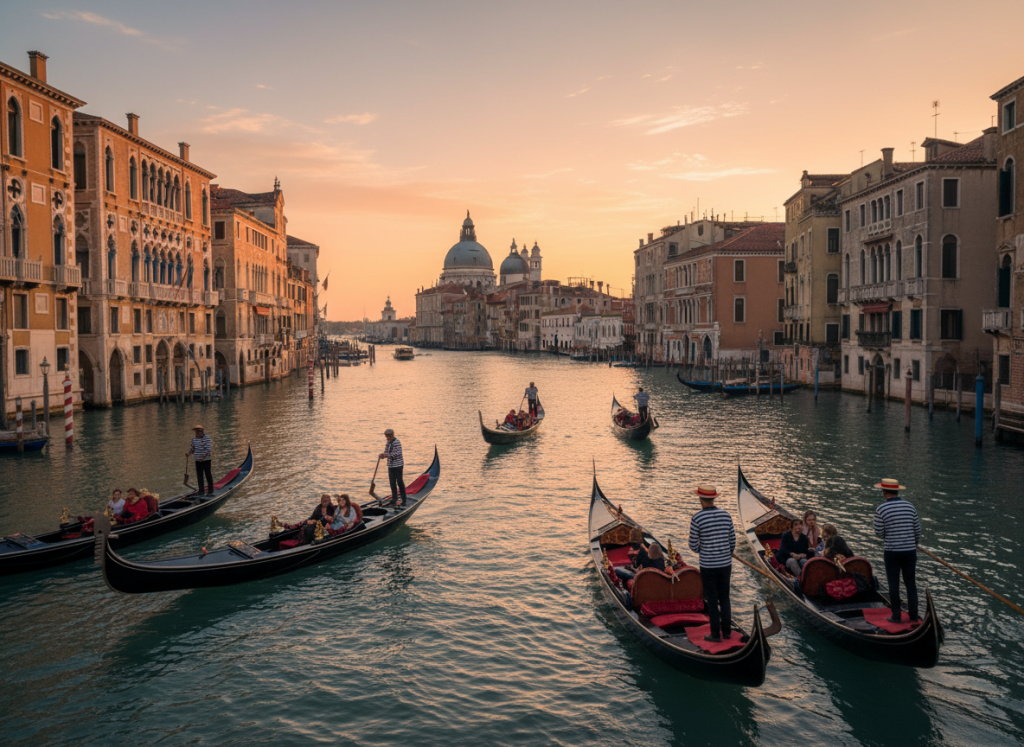
2. Venice – The Floating Masterpiece
Venice is unlike anywhere else on earth. The city feels like a painting brought to life, with its winding canals, old palaces, and bridges that curve gracefully over silent waterways. While some visitors come expecting a cliché of gondolas and crowded piazzas, the real Venice reveals itself in quieter moments early mornings when the city is still waking up, or late evenings when the day crowds have faded.
Exploring Venice on foot is a joy because every turn leads somewhere unexpected. Sometimes you wind up in a tiny campo with children playing; other times you find yourself on a quiet canal where only the sound of water echoes between the buildings.
Travel Tip: Stay overnight if possible. Venice transforms completely after sunset and becomes the real version locals love.
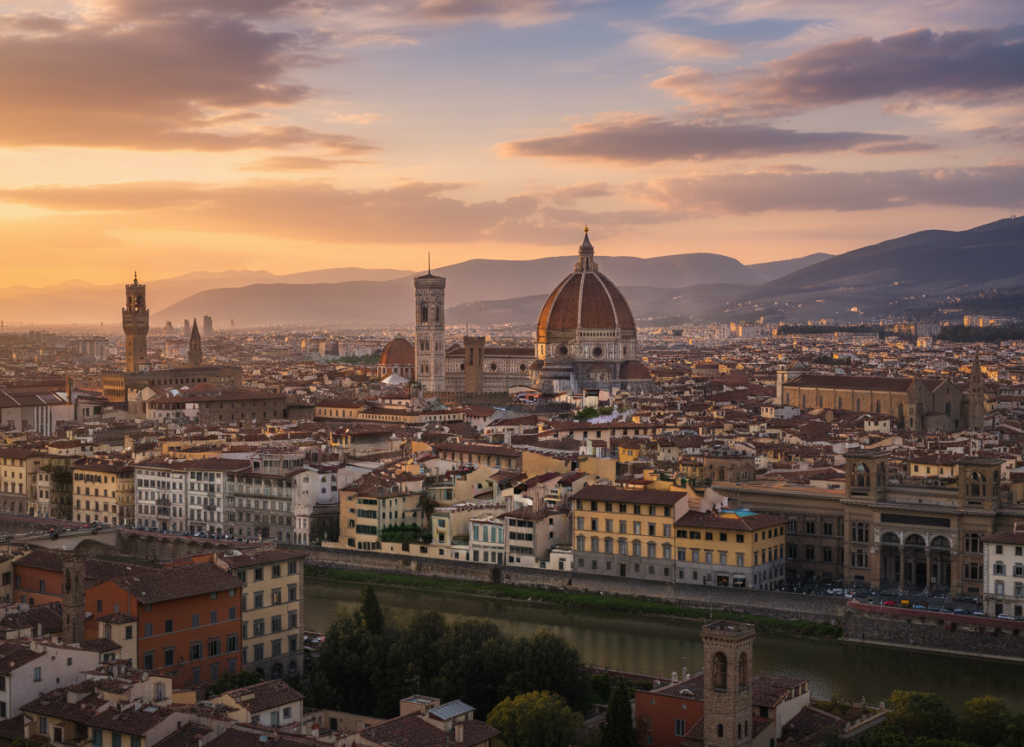
3. Florence – Birthplace of the Renaissance
Florence is a city that continues to shape the world through its art. Walking through this place almost feels like opening a living textbook: masterpieces by Michelangelo, frescoes by Giotto, sculptures by Donatello, and the unmistakable dome created by Brunelleschi. But Florence isn’t just a museum but you feel its artistry in the daily life of the people, in the crafts of local workshops, in the food markets, and in the way Florentines take pride in their heritage.
Climbing to Piazzale Michelangelo for a sunset view is one of those moments you remember long after your trip. The view of the Arno River, the bridges, and the cathedral dome glowing in the evening light is simply unforgettable.
Travel Tip: Reserve Uffizi Gallery tickets early; it’s one of Europe’s busiest museums.
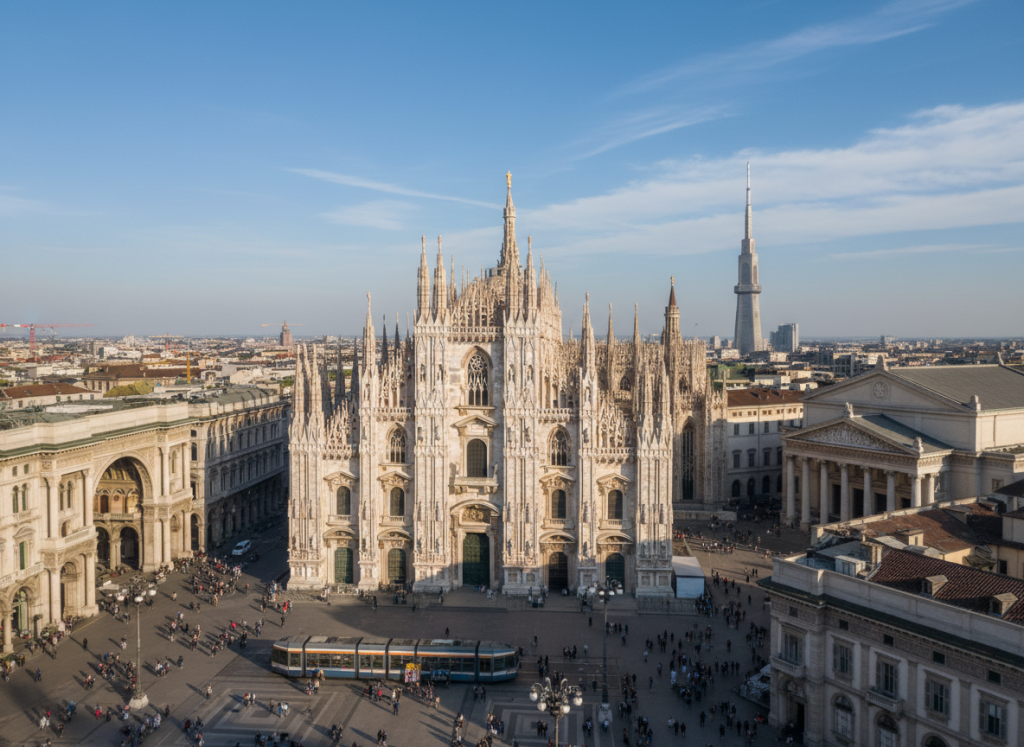
4. Milan – Italy’s Stylish Capital
Milan represents modern Italy more than any other city. It’s the home of high fashion, contemporary art, and some of the country’s most ambitious architectural projects. Yet, the city still respects its past where best seen in the iconic Duomo and Leonardo da Vinci’s “The Last Supper.”
What stands out in Milan is the effortless elegance of its daily life. Even a simple café feels chic. Local neighborhoods like Brera or Navigli are full of creative energy and are perfect for slow strolls, boutique browsing, and aperitivo culture.
Travel Tip: To view “The Last Supper,” book tickets weeks in advance—slots are extremely limited.
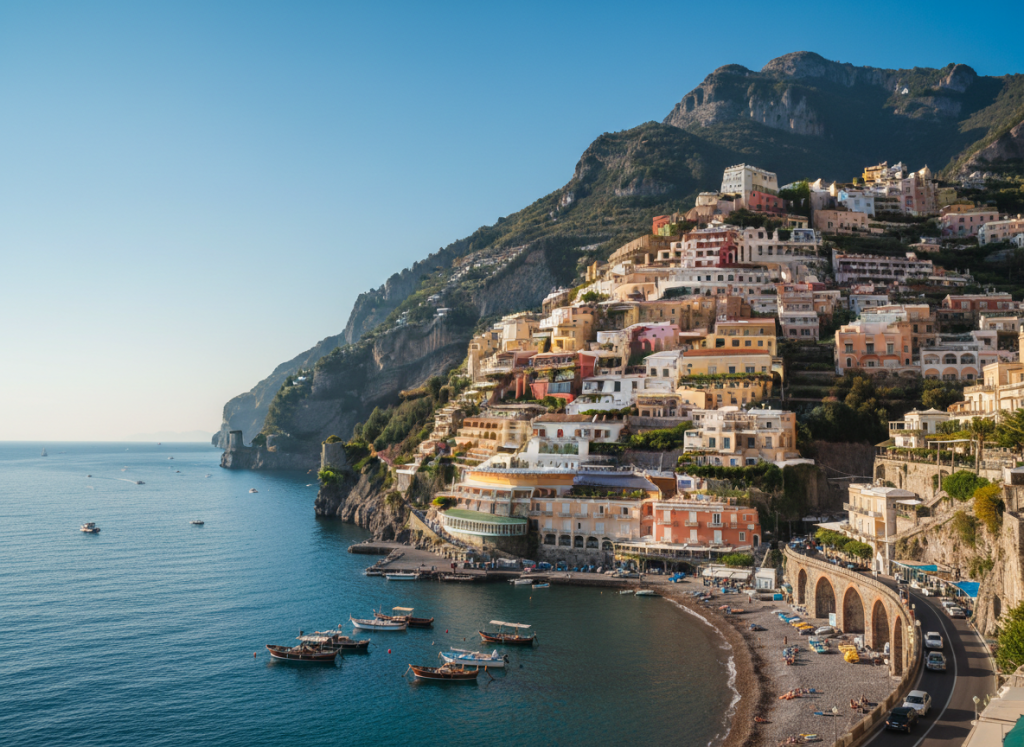
5. Amalfi Coast – Italy’s Most Photographed Coastline
Few places in the world feel as cinematic as the Amalfi Coast. With its dramatic cliffs, lemon groves, colorful hillside villages, and turquoise waters, it’s no wonder this coastline is constantly featured in films and international travel magazines.
Driving along the coastal road is a travel experience on its own. Towns like Positano, Amalfi, and Ravello offer postcard views at every turn. Whether you’re chasing beaches, scenic hikes, or luxurious stays, the Amalfi Coast feels like an experience curated specifically for beauty.
Travel Tip: Roads can get crowded in summer; consider ferries between towns for faster travel.
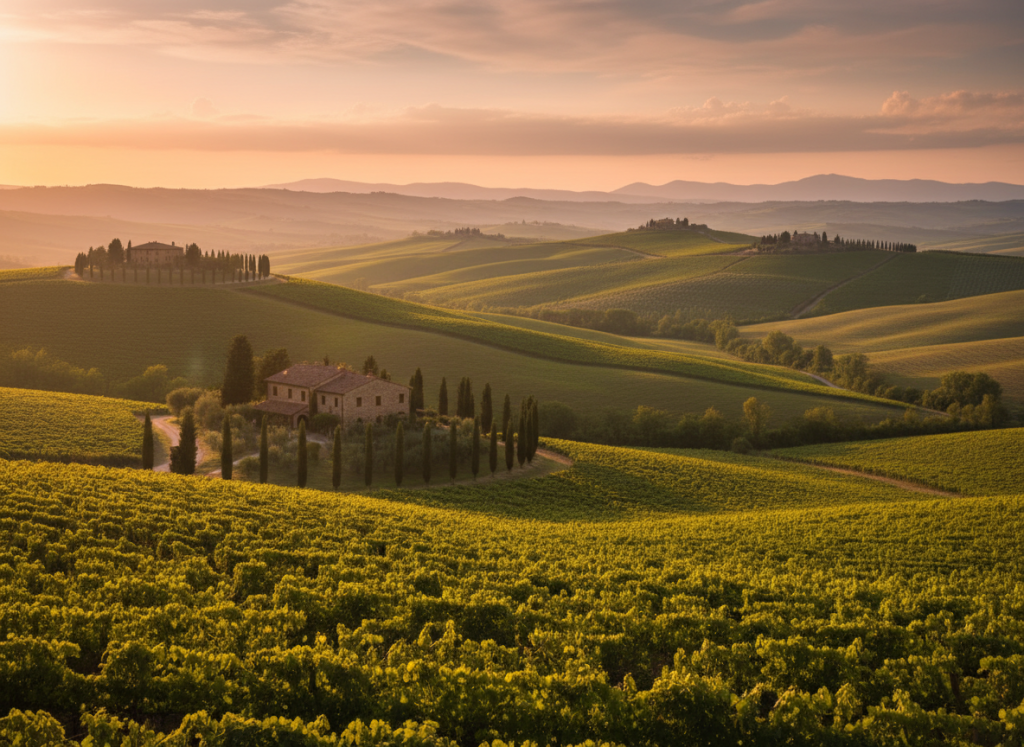
6. Tuscany – Rolling Hills & Renaissance Towns
Tuscany feels like it was designed to be admired. The region offers an entirely different rhythm from Italy’s major cities. Here, life slows down into long countryside drives, wine-tasting at local vineyards, and afternoons spent in medieval towns like Siena, San Gimignano, or Montepulciano.
Each town has its own charm: Siena’s historic square, San Gimignano’s towers, and Lucca’s peaceful streets are perfect examples of how rich Tuscany’s heritage is. Pair all this with world-class wine, rustic food, and sweeping views, and you’ll understand why so many travelers return again and again.
Travel Tip: Renting a car is the best way to fully explore Tuscany’s villages and countryside.
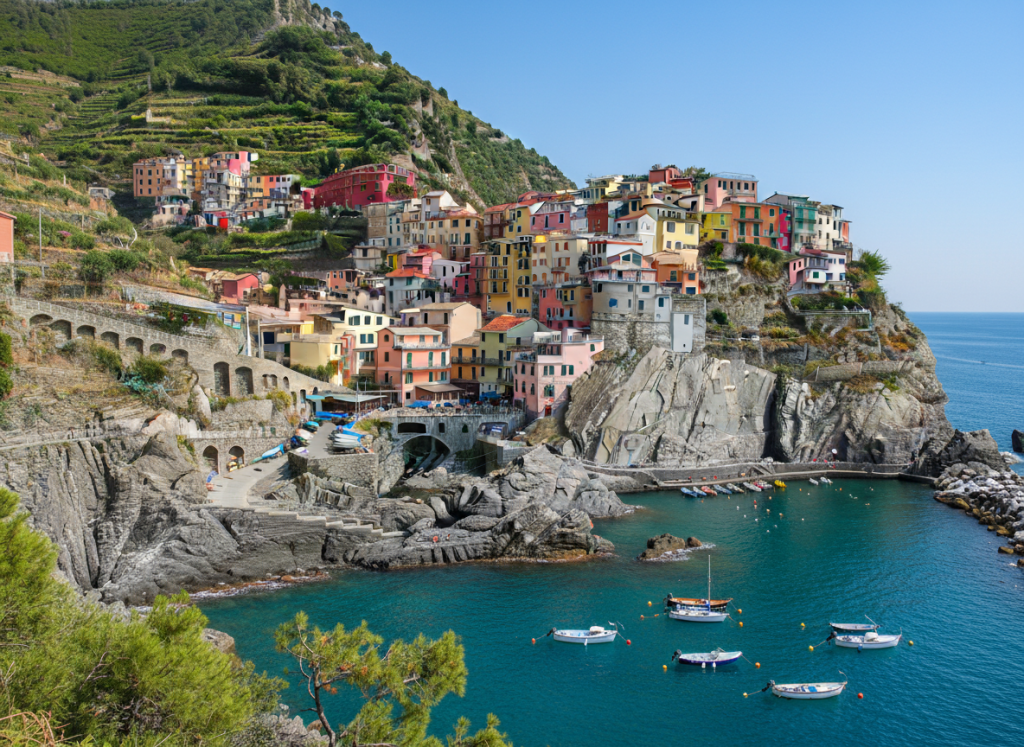
7. Cinque Terre – Colorful Villages by the Sea
Cinque Terre is a string of five small villages along the Ligurian coastline, each perched dramatically on steep cliffs. The colorful houses, narrow lanes, and sea views give this region a unique charm. Hikers love the walking paths connecting the villages, while others prefer lazy afternoons by the sea or slow lunches overlooking the coastline.
Riomaggiore, Manarola, Vernazza, Monterosso, and Corniglia each feel distinct, and visiting them feels like stepping into a postcard.
Travel Tip: Trains are the easiest way to travel between the villages which fast, scenic, and inexpensive.
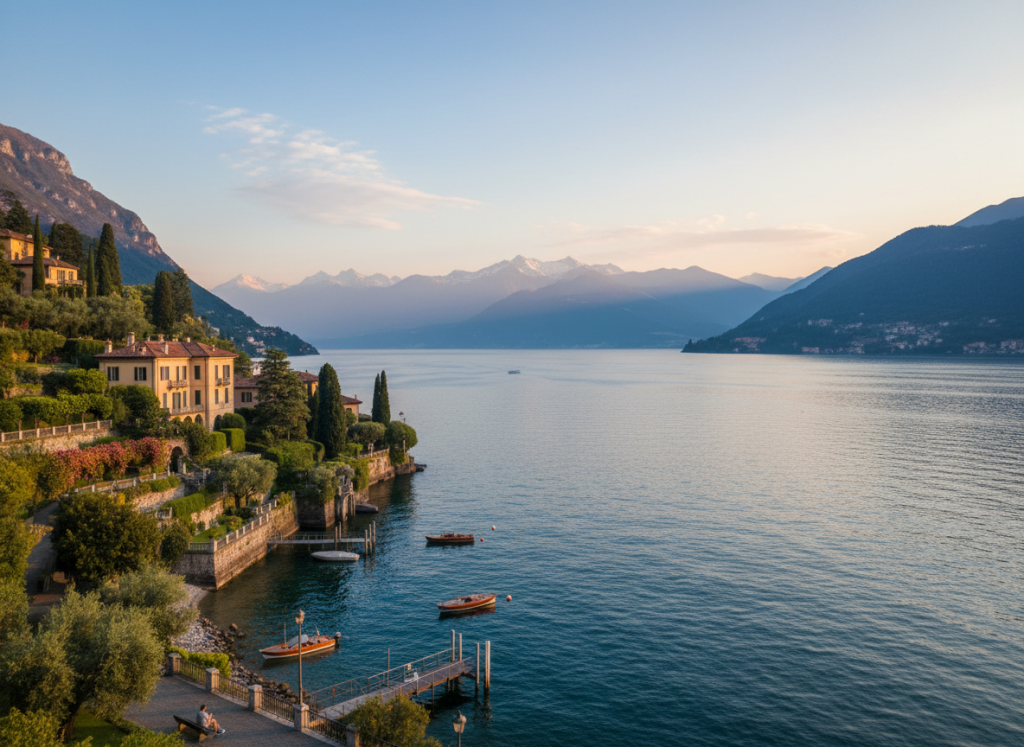
8. Lake Como – Italy’s Luxury Escape
Lake Como is known for its quiet elegance. With its mirror-like waters and villas lining the shores, the lake feels timeless. Towns like Bellagio, Varenna, and Como deliver some of the most romantic views in Italy. Visitors often spend their days taking leisurely boat rides, exploring charming lakeside squares, or simply soaking in the peaceful atmosphere.
While the lake is associated with glamour, it’s also deeply rooted in tradition. Local cafés, old churches, gardens, and small family-run hotels make the region welcoming and warm.
Travel Tip: Ferries are the best way to move between lakeside towns and enjoy scenic views.
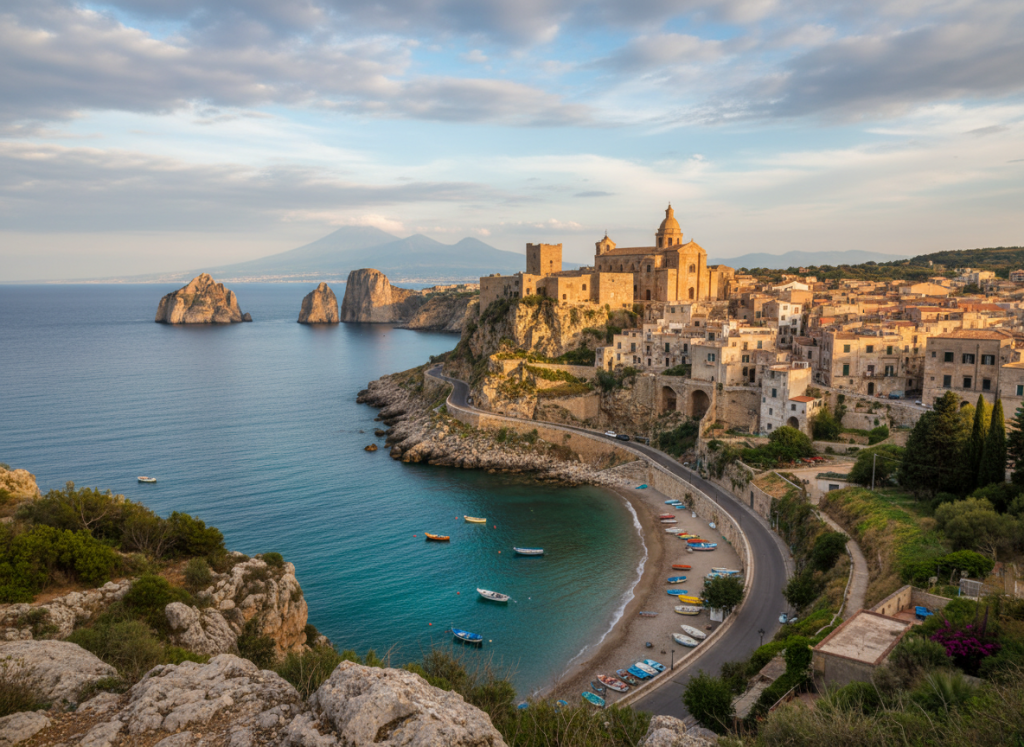
9. Sicily – A Region Full of Layers
Sicily is a world of its own. Greek temples, Roman amphitheaters, Arab influences, and Norman architecture all coexist on this vibrant island. Cities like Palermo and Catania feel bold and energetic, while coastal towns like Taormina combine history with stunning sea views. Mount Etna adds another dramatic layer to the island, offering hiking adventures and wine regions shaped by volcanic soil.
Sicily’s food deserves special mention like, arancini, cannoli, fresh seafood, and pasta dishes that carry centuries of tradition.
Travel Tip: Plan enough time; Sicily is larger than many travelers expect.
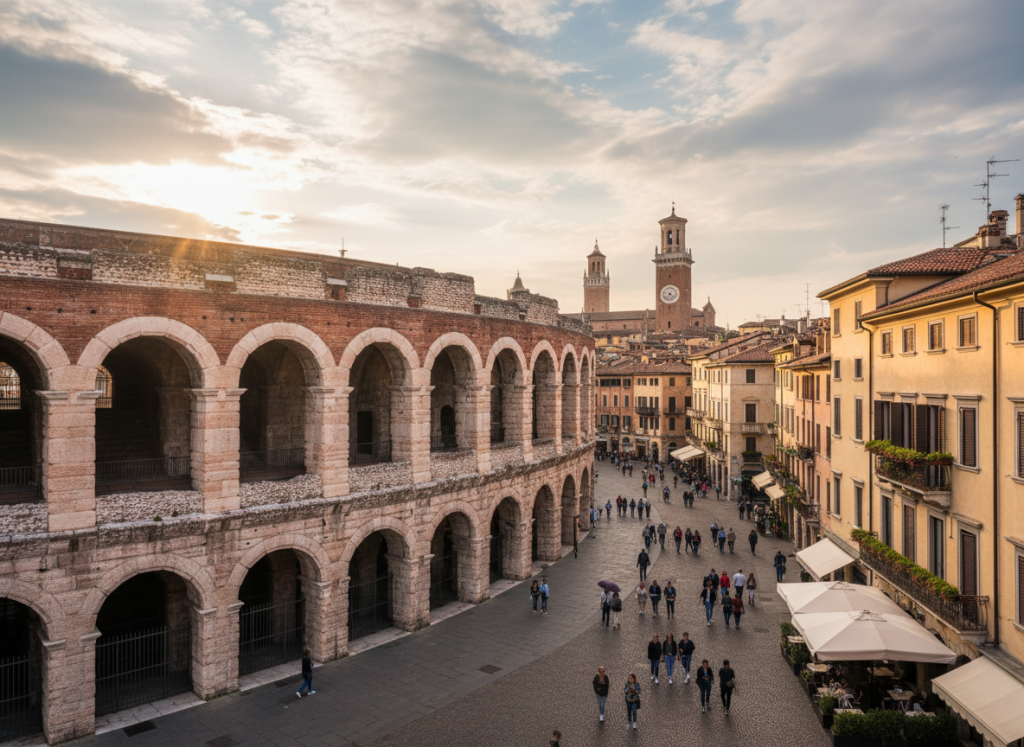
10. Verona – Italy’s Romantic Gem
Famous for the story of Romeo and Juliet, Verona blends elegance with history. Its Roman arena, which still hosts concerts and operas, is a spectacular sight. The cobblestoned streets, pastel-colored buildings, and riverfront walks make Verona a city that feels cozy yet grand.
Compared to bigger cities, Verona is peaceful and easy to explore, making it perfect for travelers who want culture without the usual crowds.
Travel Tip: Visit early in the morning to enjoy Juliet’s House with fewer visitors.
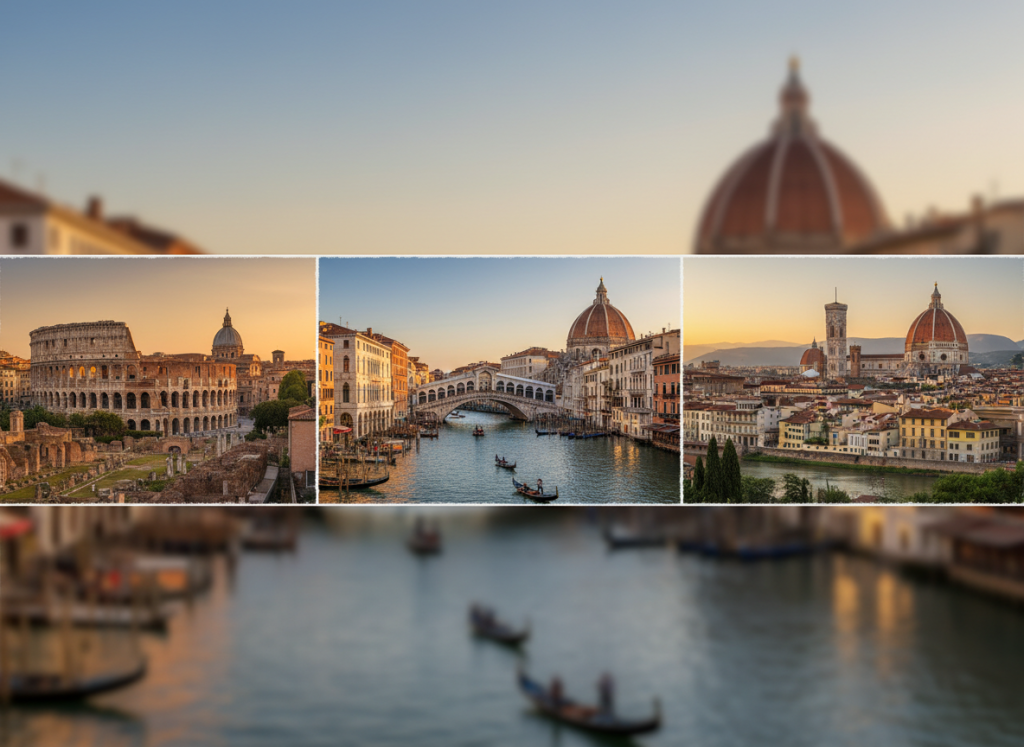
Travel Tips for Exploring Italy
- Travel outside peak summer if possible:
Italy becomes extremely crowded between late June and August, especially in major cities and coastal areas. Visiting during May–June or September–October gives you the benefit of pleasant weather, fewer tour groups, and a more relaxed overall experience. These shoulder seasons also allow you to enjoy museums, restaurants, and outdoor attractions without long waits or excessive heat. - Book major attractions in advance:
Italy’s most famous sites such as the Colosseum, the Vatican Museums, the Uffizi Gallery, and the Leaning Tower of Pisa often sell out weeks ahead of time. Securing your tickets online before you travel not only saves hours of waiting but also guarantees access to timed-entry attractions that strictly limit daily visitors. - Use trains for travel between major cities:
Italy’s high-speed train network is one of the most efficient in Europe. Trains like Frecciarossa and Italo connect cities such as Rome, Florence, Venice, and Milan quickly and comfortably, often faster than flying when you factor in airport procedures. They are clean, punctual, and ideal for travelers who want a smooth journey without the stress of driving. - Learn a few Italian phrases:
While many people in tourist areas speak English, learning basic words like “Grazie” (thank you), “Per favore” (please), and “Buongiorno” (good morning) makes interactions far more pleasant. Locals appreciate the effort, and even simple phrases can help you navigate menus, transportation, or small shops more confidently. - Try regional foods instead of generic tourist menus:
Italy’s culinary identity changes dramatically from one region to another. Sampling local dishes—such as pesto in Liguria, risotto in Milan, carbonara in Rome, seafood in Sicily, or bistecca alla fiorentina in Tuscany which gives you a much richer and more authentic travel experience than sticking to typical tourist-oriented restaurants. - Carry a reusable water bottle:
Many Italian cities, especially Rome, Florence, and Venice, have public drinking fountains that provide clean, cold water throughout the day. Bringing a reusable bottle saves money, reduces plastic waste, and ensures you always stay hydrated as you explore. - Keep some cash for smaller shops:
Although credit cards are accepted widely in major establishments, small cafés, local bakeries, and family-run stores often prefer cash, particularly for inexpensive purchases. Having a small amount of euros helps you avoid minor inconveniences during your trip. - Validate regional train tickets when required:
For regional or non–high-speed trains, passengers may need to validate their printed tickets using small machines located at station platforms. Failure to do this can result in fines, even if you have a valid ticket. High-speed trains do not require validation, but regional routes often do. - Wear comfortable shoes:
Italian cities are full of cobblestone streets, hilly neighborhoods, and pedestrian-only zones that require a good amount of walking. Comfortable shoes can make a significant difference, especially when exploring historic areas like Florence’s old town or Rome’s ancient ruins. - Be aware of pickpockets in crowded areas:
Italy is generally safe, but busy tourist hotspots such as train stations, buses, famous piazzas, and major landmarks can attract pickpockets. Keeping your phone and wallet secure, avoiding open backpacks in crowded areas, and staying aware of your surroundings ensures a stress-free experience.
Frequently Asked Questions
1. Is Italy safe for tourists?
Yes, Italy is generally safe. Just stay alert in crowded areas.
2. What’s the best time to visit Italy?
Spring and early autumn are ideal for comfortable weather and fewer crowds.
3. Do I need a visa to visit Italy?
It depends on your nationality. Many travelers can visit for short stays without a visa.
4. Is English widely spoken?
Tourist areas usually speak English, but countryside regions may not.
5. How many days do I need for Italy?
A week is good for a quick overview, but two weeks lets you explore more comfortably.
6. Is Italy expensive?
It varies. Big cities can be costly, while countryside towns are affordable.
7. Are trains better than renting a car?
For cities, trains are best. For places like Tuscany, a car gives more flexibility.
8. What food should I try?
Pizza in Naples, pasta in Rome, gelato anywhere, and regional wines everywhere.
9. Is tap water safe to drink?
Yes, most cities have safe drinking water.
10. Do shops close early?
Some do. Afternoon breaks (riposo) are common in smaller towns.
Final Thoughts
Italy offers a mix of history, culture, landscapes, and experiences that few other countries can match. Whether you’re wandering ancient streets in Rome, sailing across Lake Como, tasting wines in Tuscany, or admiring the dramatic cliffs of the Amalfi Coast, each region has a personality of its own. This list is just a starting point—Italy is the kind of place that stays with you long after your trip ends.
If you’re planning your next adventure and want detailed guides, airport insights, or curated itineraries, explore more on TravelLayover.com, where I share practical travel stories and globally-focused recommendations to help you plan smarter and travel better.
Related Articles
- 10 Best Places to Visit in Berlin During a Long Layover
- 10 Best Places to Visit in Chiang Mai During a Long Layover
- 10 Best Places to Visit in Zurich, Switzerland During a Long Layover
Disclaimer
This article is based on travel research, publicly available information, and insights from frequent travellers. All recommendations are for informational purposes only. Travelers should verify details such as opening hours, transport schedules, and safety guidelines before planning their visit. The author cannot be held responsible for any changes or incidents that may occur during your travel.
