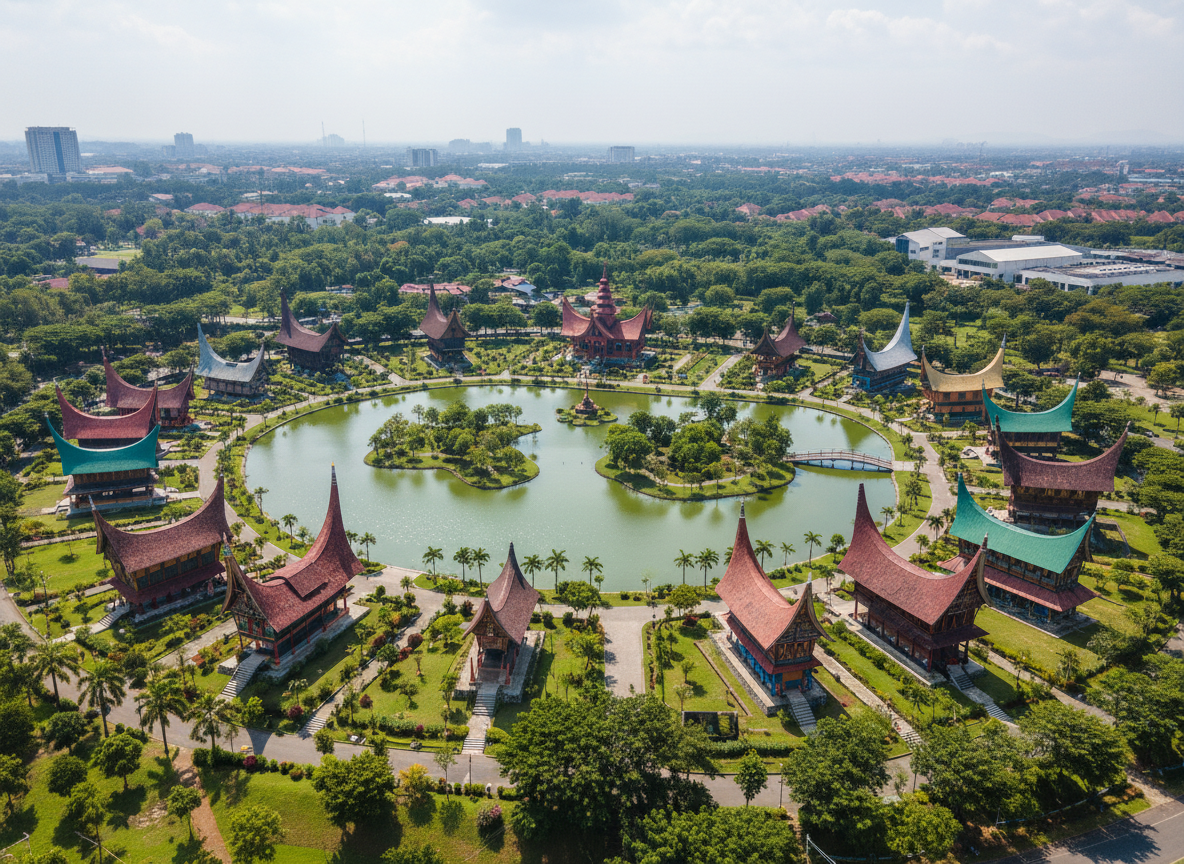
Indonesia is a country so vast and culturally layered that most travelers only glimpse fragments of it. Taman Mini Indonesia Indah often shortened to TMII was created to solve exactly that problem. Instead of flying across thousands of islands, you walk through a miniature cultural map of the nation in a single park. Traditional houses, regional architecture, costumes, and exhibitions sit side by side, offering a condensed portrait of Indonesia’s diversity.
But TMII isn’t a theme park in the commercial sense. It feels more like an open-air cultural atlas. Visitors wander slowly, discovering provinces represented through buildings and performances. Families picnic, school groups explore museums, and the atmosphere leans relaxed rather than rushed. This guide explains what visiting Taman Mini is actually like, who it suits best, and how to plan your visit so it becomes a meaningful cultural experience instead of a confusing sprawl.
What Taman Mini Indonesia Indah Includes
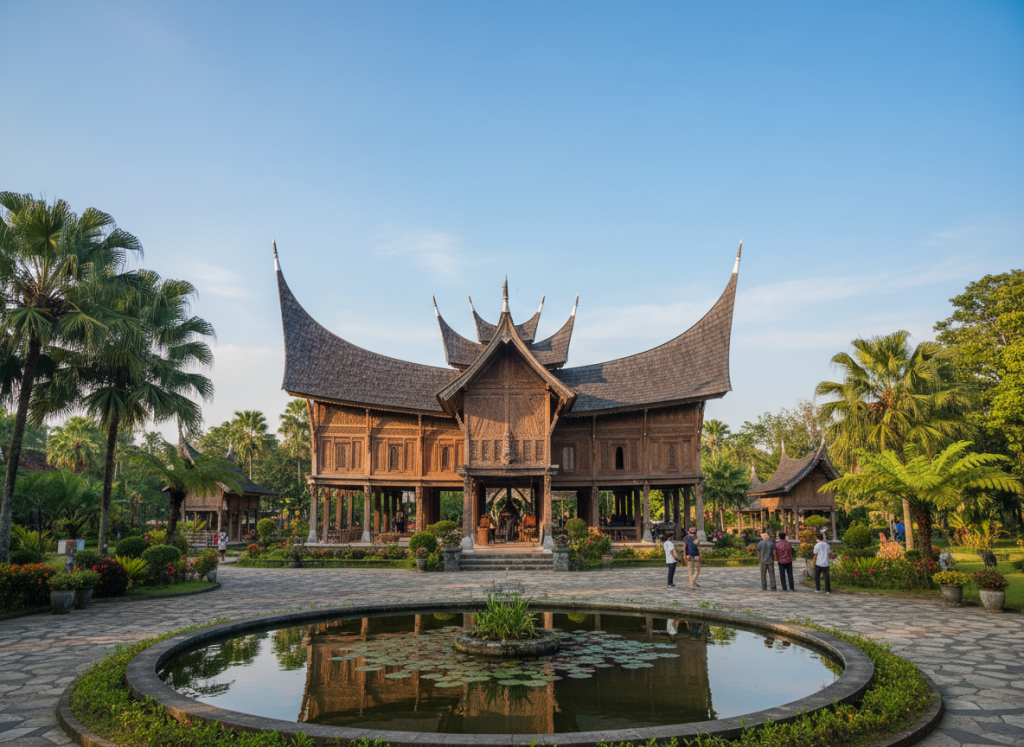
TMII spans a massive landscaped area in East Jakarta, organized around regional pavilions representing Indonesia’s provinces. Each pavilion showcases architecture, textiles, crafts, and sometimes live demonstrations.
Inside the park you’ll find:
- Provincial cultural houses
- Museums dedicated to history, science, and transport
- Theater performances and dance stages
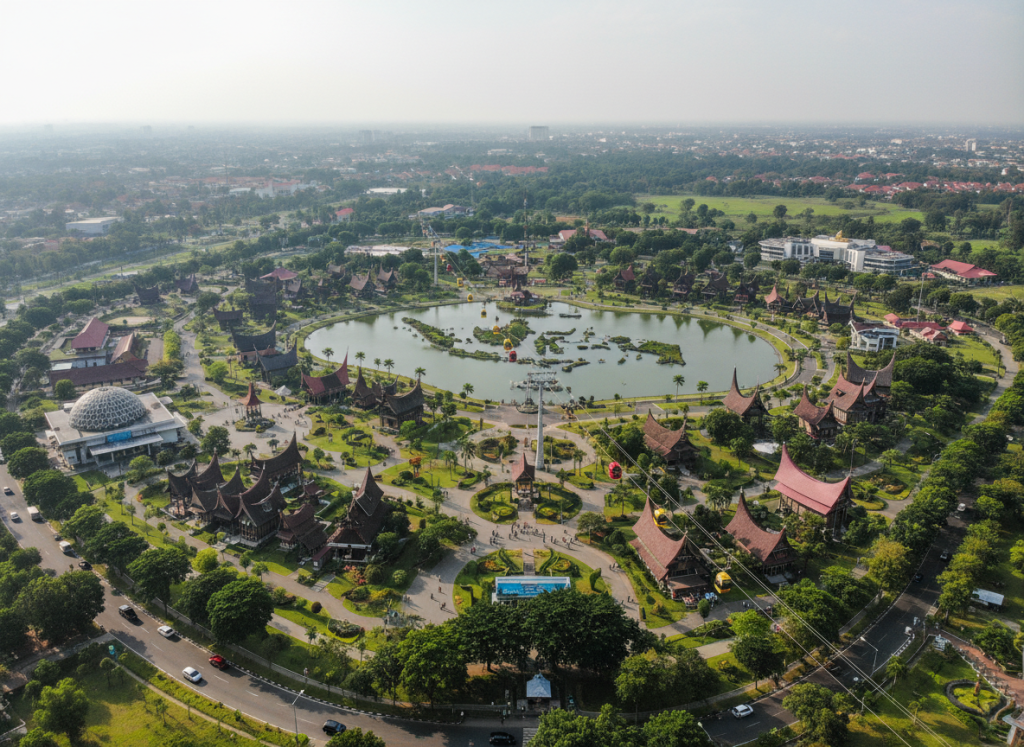
- A central lake shaped like the Indonesian archipelago
- Cable car views across the park
- Gardens and open spaces for relaxation
A standard ticket grants entry to the grounds; individual museums or attractions inside may have small additional fees.
Expect to spend 3–5 hours if exploring thoroughly.
Who This Experience Is Best For
First-time visitors to Indonesia
It offers a cultural overview in one location.
Families
Open space and interactive exhibits suit children.
Culture-focused travelers
Architecture and regional displays provide insight.
Slow travelers
The park rewards unhurried wandering.
This is not a quick photo stop but it’s a cultural stroll.
Timing, Duration & Practical Logistics
Recommended visit length: half day
Location: East Jakarta
Best time to visit: morning or late afternoon
Jakarta’s midday heat can be intense, so early arrival improves comfort. Weekends are lively with local families, which adds energy but also crowds.
Wear comfortable walking shoes. The park is large, and distances between pavilions add up.
Visitors often rent bicycles or use shuttle transport inside the complex to cover more ground efficiently.
What You’ll Experience Inside the Park
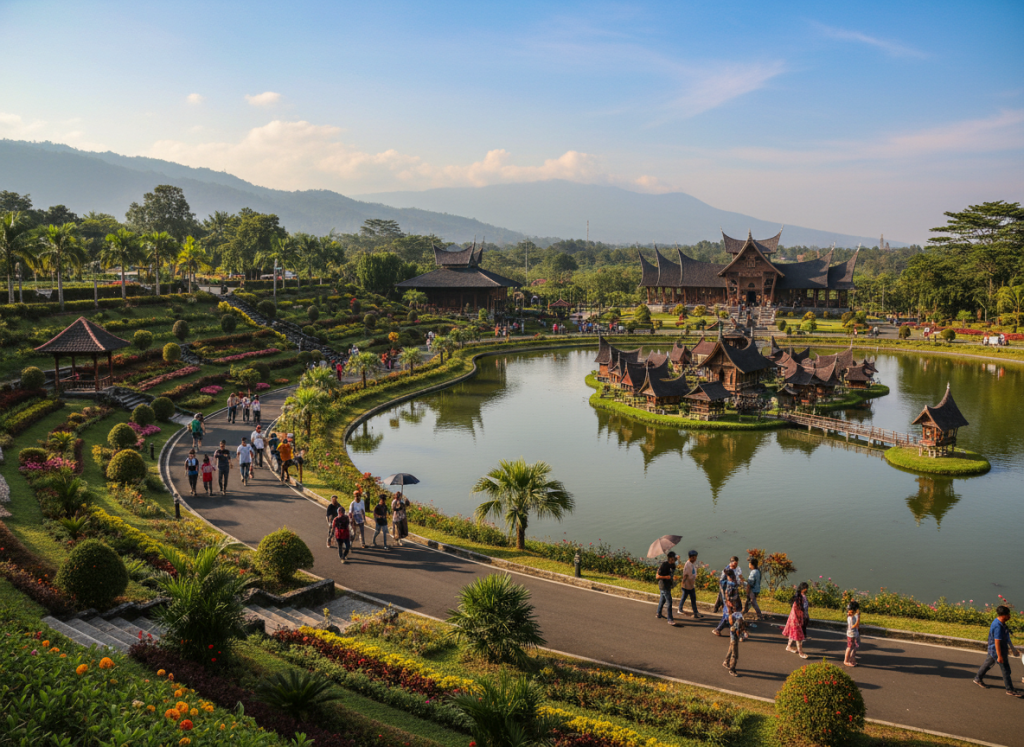
Walking through TMII feels like stepping through a series of regional worlds. Each pavilion has its own identity: carved wood structures from Sumatra, stilted houses from Sulawesi, ornate Balinese compounds, and colorful Papuan architecture.
Highlights often include:
- Traditional costume displays
- Regional dance performances
- Craft demonstrations
- Cultural museums
- Scenic viewpoints over the lake
The diversity becomes the attraction itself. You’re not looking for a single centerpiece however you’re absorbing contrasts.
The Emotional Side of the Visit
What surprises many visitors is the calm. Despite its size, TMII doesn’t feel chaotic. The scale encourages slow movement. Families rest in shaded areas, performers rehearse, and the soundscape is softer than central Jakarta.
There’s a gentle rhythm to the park. You drift rather than navigate. That pace makes cultural information easier to absorb. Instead of rushing through exhibits, you linger and observe.
It feels less like tourism and more like participation in a shared public space.
Sample Jakarta Day Plan Around TMII
Morning: Taman Mini Indonesia Indah
Lunch: local restaurant nearby
Afternoon: museum visit or mall break
Evening: city dining
TMII anchors a culture-focused day.
Tips to Improve Your Visit
– Arrive early to avoid heat
– Bring water and sunscreen
– Use internal transport for long distances
– Check performance schedules
– Wear light clothing
Comfort improves exploration.
Pros & Cons
Pros
- Comprehensive cultural overview
- Family-friendly environment
- Scenic open spaces
- Educational value
- Relaxed atmosphere
Cons
- Large walking distances
- Heat exposure midday
- Some exhibits vary in maintenance
It’s a park designed for wandering, not rushing.
Alternatives to Consider
If you want more Jakarta culture:
- National Museum of Indonesia
- Old Town (Kota Tua)
- Monas National Monument
- Art markets and galleries
Each adds a different lens on Indonesian heritage.
Why TMII Feels Unique
Few attractions attempt to represent an entire nation in physical form. TMII does it with unusual ambition and sincerity. Instead of isolating culture behind museum glass, the park lets architecture breathe in open air. You don’t observe Indonesia from a distance especially you walk through interpretations of it. Each pavilion becomes a doorway into a province’s identity, expressed through rooflines, carvings, textiles, and spatial layout. The experience is tactile and spatial rather than purely informational.
As you move from one region to another, the contrasts become the lesson. Styles shift. Colors change. Decorative motifs tell different stories. Without reading a single plaque, you start sensing how geography shapes culture especially coastal regions look different from mountain communities, island traditions differ from mainland ones. The park quietly teaches scale. Indonesia stops being an abstract archipelago on a map and becomes something you can traverse step by step.
Many visitors leave with a surprising clarity: a mental orientation to a country that can otherwise feel overwhelming in its size. That understanding doesn’t come from facts alone however it comes from movement. Few attractions manage to translate national identity into a walkable experience. TMII does, and that physical storytelling is what makes it memorable long after the visit ends.
Final Thoughts
Taman Mini Indonesia Indah is less about spectacle and more about perspective. It compresses a vast archipelago into a navigable landscape, offering visitors a structured way to appreciate Indonesia’s richness. For travelers interested in culture, architecture, and everyday life, it provides context that deepens the rest of their trip. You don’t just see Indonesia as you walk through a version of it. And that experience stays with you.
Related Articles
- Bosphorus Cruise Boat Tour in Istanbul (2 Hours) – Complete Experience Guide
- 10 Best Places to Visit in Auckland for First-Time Visitors
- 7 Best Things to Do in Phuket for First-Time Visitors
Disclaimer
This article is based on travel research, publicly available information, and insights from frequent travellers. All recommendations are for informational purposes only. Travelers should verify details such as opening hours, transport schedules, and safety guidelines before planning their visit. The author cannot be held responsible for any changes or incidents that may occur during your travel.